The Last Survivor
A cool-headed strategist who reads several moves ahead and designs the board.
S+ · 생존확률 94%
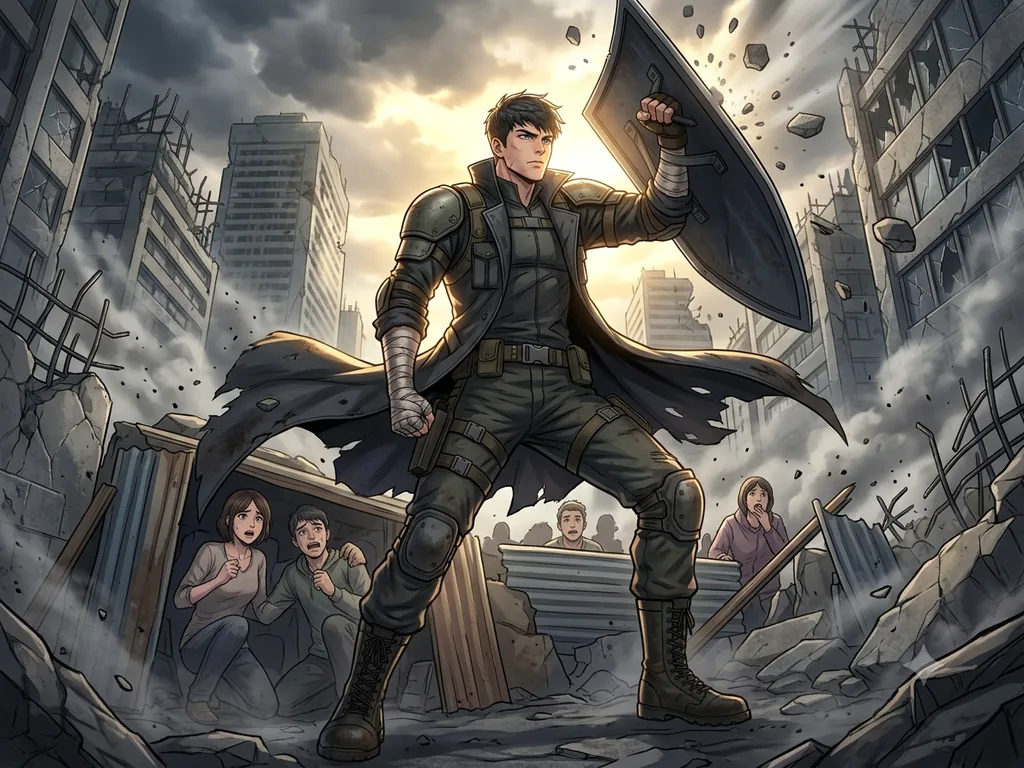
Survival profile
You survey the whole situation from above and calculate problems that have not arrived yet. You weigh resources and odds to extract the highest-percentage option, and you put that calculation ahead of feeling. You lay the plan out rather than hiding it, so whoever follows moves knowing what they are doing. While others react to the threat in front of them, you are already looking at the phase after it. The tendency shows up on perfectly ordinary days. Viewing an apartment, you check the maintenance-fee history and the rental comps before you look at the room sizes; when a project kicks off, you draw the schedule backward from the deadline and mark which week the bottleneck lands in. Even grocery shopping starts with deciding the week's meals and leaving with a list. It can look like overkill to others, right up until something actually breaks and you turn out to be the only one already holding an alternative.
Strength and weakness
The calculating power that designs the whole board finds the most efficient path. But faced with irrational behavior or sudden variables outside your model, clinging to the calculation can cost you your flexibility.
Advice
- Budget for Human Error — People do not move as calculated. Build slack into the plan to absorb panic and emotional turbulence.
- A Simplified Plan B — Rather than clinging to the perfect blueprint, always keep a simple alternative you can revise on the spot.
Closing note
"No plan of operations extends with any certainty beyond the first encounter with the main enemy forces." — Helmuth von Moltke