The Precarious
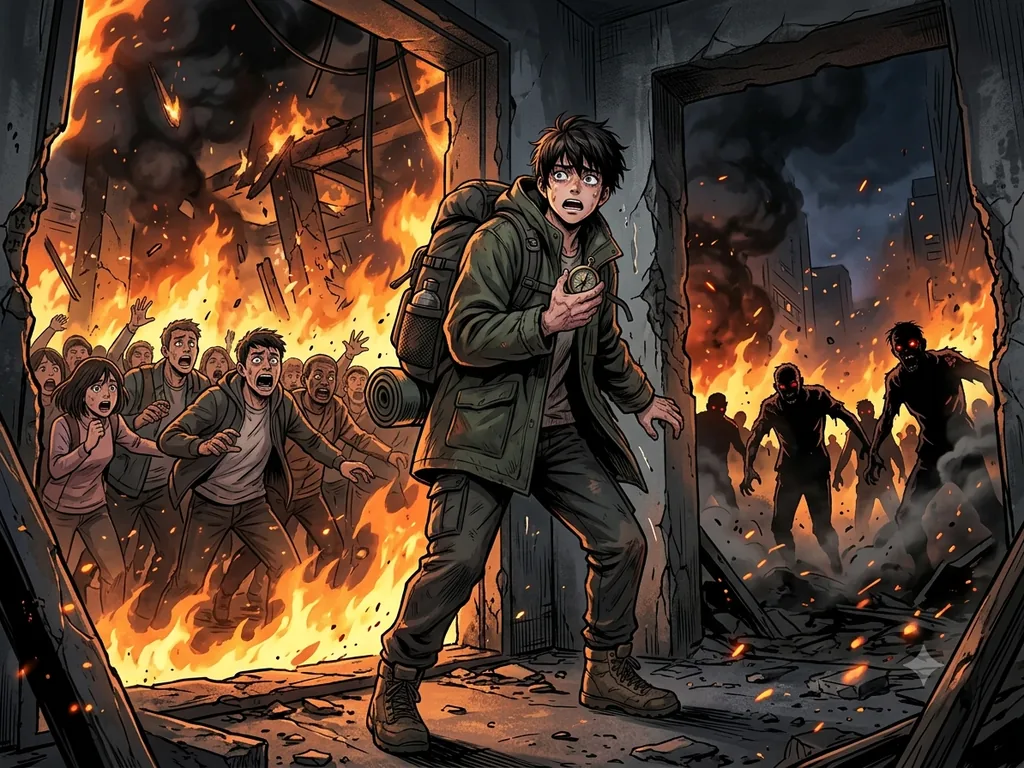
A cautious protector who watches from afar and reaches out too late.
E · 생존확률 17%
Survival profile
The intent is there; the movement is late. You recognize that someone is in danger, then weigh whether to step in — and by the time you move to help, the moment has passed. In the hexagon above, the short axes are pulling each other down, and one of them costs you half a beat at every decisive moment. It is less that your direction is wrong than that you keep arriving late. That half-beat turns up often in ordinary life. You hesitate over whether to run for the closing elevator and miss it; you think of what you want to say and the conversation has moved on by the time you have it phrased. You probably have a stack of moments you replay alone later, thinking "I should have said this." It is not a shortage of intent but a decision that takes slightly too long — the kind of delay that shrinks when the criteria are set in advance.
Strength and weakness
Caution spares you unnecessary risk. But in the moment help is needed, late help and no help are nearly the same thing. When a friend looks like they are struggling, you spend days weighing whether to reach out, and end up checking in after it has resolved. The message you send later usually gets a reply, but it does not comfort anyone.
Advice
- Move First, Judge While Moving — Deciding fully before moving is always late. Close the distance to where it is still safe, and think on the way.
- Price the Delay — Hesitation has a price too. Weigh 'what happens if I do not' as heavily as you weigh the risk.
Closing note
"He gives twice who gives quickly." — Publilius Syrus, Sententiae